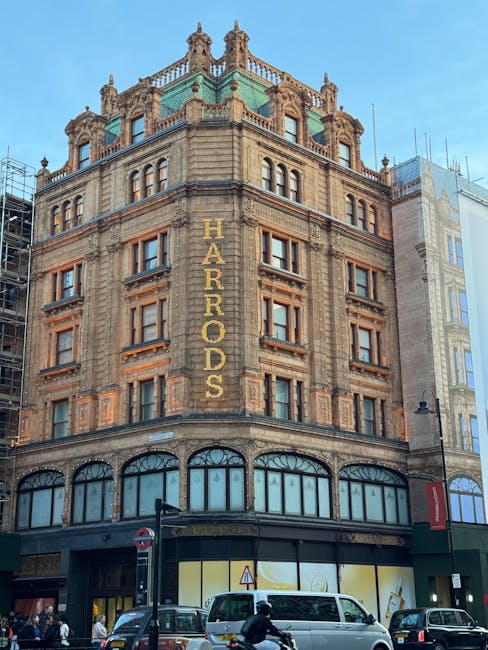
Sloane Street office removals for Knightsbridge shops: a practical guide for smooth, low-disruption moves
If you run a shop, gallery, clinic, or boutique office near Sloane Street, moving workspaces is rarely simple. Streets are busy, access can be tight, and your opening hours matter. Sloane Street office removals for Knightsbridge shops is really about one thing: getting desks, stock, files, tech, and fixtures moved without turning a trading day into a headache. Done well, it keeps your team calm, protects your stock, and helps you reopen fast. Done badly? Well, let's face it, even a small delay can ripple through a whole week.
This guide breaks down how these removals work, what to plan for, where the risks sit, and how to make the process feel manageable. It also includes local, practical advice for Knightsbridge's narrower access points, delivery windows, and the sort of timing decisions that can make or break a move. If you need a broader overview of service options, you may also find the services overview useful.
Table of Contents
- Why Sloane Street office removals for Knightsbridge shops matters
- How Sloane Street office removals for Knightsbridge shops works
- Key benefits and practical advantages
- Who this is for and when it makes sense
- Step-by-step guidance
- Expert tips for better results
- Common mistakes to avoid
- Tools, resources and recommendations
- Law, compliance, standards, and best practice
- Options, methods, or comparison table
- Case study or real-world example
- Practical checklist
- Conclusion
- Frequently asked questions
Why Sloane Street office removals for Knightsbridge shops Matters
Knightsbridge is elegant, busy, and highly operational. That mix is exactly why office removals in this area need more thought than a standard move on a quiet suburban road. A shop near Sloane Street may be dealing with expensive stock, fragile fittings, confidential paperwork, laptop-heavy workstations, and customer-facing spaces that must stay presentable.
The real issue is not only transport. It is timing, access, packaging, protection, and coordination. One badly parked van or one lift booked at the wrong time can create a surprising amount of friction. In a place where foot traffic, resident expectations, and business reputations all sit close together, a smooth move is more than convenience; it is part of operational continuity.
There is also the local reality. Knightsbridge and the surrounding streets often require careful planning because roads can be congested and loading space may be limited. If your team has ever tried to move equipment during a busy window and ended up waiting in the rain with a trolley full of boxed monitors, you already know the feeling. Not glamorous. Not ideal.
That is why many businesses look for a removal partner who understands both the logistics and the local rhythm. For shops in the area, a well-timed move can mean the difference between opening the next morning as planned or spending a day untangling avoidable problems. If you need a local point of contact early in the process, the contact page is the simplest place to start.
How Sloane Street office removals for Knightsbridge shops Works
A good office or shop removal is usually built in phases. The exact sequence depends on the size of the premises, the amount of stock, and whether you are moving only a back-office area or the entire retail setup. Still, the broad structure is fairly consistent.
1. Survey and planning
The first step is understanding what needs moving. That usually includes furniture, files, IT equipment, display units, boxed stock, safe items, and any special pieces that need extra care. A site visit or a detailed video walkthrough helps identify access points, stairwells, lift capacity, parking limitations, and whether you need multiple trips.
For more complex jobs, it is sensible to discuss handling methods, timing, and service scope early. If you are weighing different types of support, the page on removal services in Knightsbridge is a useful reference.
2. Packing and labelling
Once the plan is clear, packing begins. In office removals, labels matter more than people expect. A box marked simply "misc" is the sort of thing that causes mild chaos three days later. Better labels include room, department, contents, and priority level. For shop moves, stock boxes should be grouped by product category or display area so unpacking is efficient.
Specialist packing materials help protect laptops, monitors, shelving hardware, hanging items, and delicate branded displays. If you need packing support or supplies, take a look at packing and boxes in Knightsbridge.
3. Protection and dismantling
Before anything leaves the premises, larger furniture may need dismantling. Shelves, workstations, and modular retail units are usually easier and safer to move in parts. Floors, door frames, and walls should be protected too, especially in narrow shared spaces where bumps are easy to make and hard to forget.
4. Loading and transport
Loading must be efficient but careful. Goods should be stacked properly, fragile items secured, and the vehicle arranged so unloading is logical at the other end. In Knightsbridge, the choice of vehicle matters because a larger van is not always the most practical option if the access is restricted. A more agile vehicle can sometimes save time overall. If that sounds like your situation, the local man with van service in Knightsbridge may be a helpful fit.
5. Delivery, placement, and rebuild
At the new location, items should be unloaded in the right order so teams can start working quickly. Computers and essential stock first. Decorative or surplus pieces later. If timing is critical, some businesses also arrange delivery for a specific window; there is a dedicated page explaining how delivery can be scheduled at the best time for you.
Sometimes the move is split into two parts: essential setup first, non-urgent items later. That can be a smart way to keep the business running while the rest of the space settles in.
Key Benefits and Practical Advantages
The obvious benefit of using a structured removals service is that things get moved. But the real advantages go deeper than lifting boxes from A to B.
- Less downtime: careful scheduling means staff can return to work sooner.
- Better stock protection: fragile, high-value, or branded items are less likely to get damaged.
- Cleaner handover: a planned move reduces clutter and makes final checks easier.
- Lower stress for staff: your team can focus on customers rather than carrying cabinets down the corridor.
- More control over the order of operations: essential items can be prioritised.
- Improved local access management: the move can be designed around the realities of Knightsbridge streets.
There is also a quieter benefit that people sometimes overlook: confidence. When you know who is moving what, when, and how, the entire project feels less like a guess. That matters in premium retail areas where presentation counts every day, not just on opening day.
A well-run removal can also support your brand. A shop that reopens neatly, with its displays intact and stock organised, sends a reassuring message to customers. It says the business is stable, attentive, and on top of its game.
Who This Is For and When It Makes Sense
This kind of move is relevant to a wide mix of businesses around Sloane Street and the wider Knightsbridge area. The most common include:
- boutiques relocating stock and back-office equipment
- small retail offices moving between nearby premises
- salons, wellness studios, and clinics with reception furniture and records
- design-led showrooms with fragile display pieces
- property or consultancy offices supporting nearby retail operations
- seasonal businesses needing a short-term move or storage solution
It also makes sense when the move is not dramatic, but still awkward. For example, maybe you are only shifting three desks and a filing cabinet, but those desks are expensive, the lift is narrow, and the available loading slot is only 45 minutes. That is still a real removal job. Small does not always mean simple.
If you are in a transition period between premises, or if the new location is not quite ready, storage can become part of the plan. In that case, storage in Knightsbridge may help bridge the gap.
Truth be told, many businesses wait too long before seeking help. The move feels manageable until the boxes start appearing. Then everyone is suddenly looking for tape, a trolley, and a spare pair of hands. That is usually the point where a proper plan pays for itself.
Step-by-Step Guidance
If you want the move to feel orderly rather than improvised, this is the sequence I would suggest.
- Define what is moving. Separate fixed items, loose stock, equipment, and anything that will be replaced rather than relocated.
- Set your business priorities. Decide what must be live on day one and what can wait a few days.
- Check access early. Measure lifts, doors, stairways, and any narrow points. Knightsbridge access can surprise people.
- Confirm parking and timing. Plan around loading restrictions, busy periods, and any building management requirements.
- Pack by function. Keep reception, stock, IT, and admin items in separate groups so unpacking is faster.
- Protect valuable items. Use proper wrapping, padding, and clear labels for fragile or high-value goods.
- Schedule the move. Choose a time that limits disruption. Early morning or after-hours can work well, depending on the property.
- Unload strategically. Put essentials where they are needed first. Don't just stack everything in one room and hope for the best.
- Test critical equipment. Check IT, phones, tills, and any operational tech before declaring the move complete.
- Do a final sweep. Look for keys, documents, chargers, forgotten boxes, and anything left in drawers.
A practical tip: assign one person to oversee the move, even if the team is small. It avoids the common problem where everyone is responsible, which means nobody really is. A single decision-maker saves time and, frankly, a bit of sanity.
Expert Tips for Better Results
These are the little things that tend to make the biggest difference in a Knightsbridge move.
Build the move around opening hours
If your shop opens to customers at 9 a.m., the ideal moving window may be very different from the one you first imagine. Sometimes a 6 a.m. start is better. Sometimes a late-night unload is the safer option. The right answer depends on your staff, neighbours, and access rules.
Use a colour-coded system
Colour-coding boxes by department, floor, or priority makes unpacking much easier. It is simple, but it works. And it stops the classic "which box has the receipt printer?" moment.
Keep the essentials separate
Put daily-use items in one clearly marked pack: keys, chargers, access cards, sign-in sheets, Wi-Fi details, important contacts, and a basic tool kit. You will thank yourself later, probably within the first hour.
Plan for one surprise
Every move has one. A parking delay, a missing key, a box that weighs far more than it should, or a display that needs gentle dismantling on the spot. Build a little flexibility into the day. A move with no buffer is asking for trouble.
Use the right vehicle size
Bigger is not always better in Knightsbridge. A smaller or mid-sized vehicle can be easier to position near constrained access points. The aim is not to impress anyone with truck size; it is to complete the job efficiently. If you are comparing vehicle-led services, the removal van page and the man and van service are worth a look.
Ask about same-day flexibility
Occasionally, deadlines move or shopfitters overrun. If you need a faster turnaround, a same-day or short-notice option may help. Not every business needs it, but for last-minute changes it can be a genuine lifesaver. See the local same-day removals support in Knightsbridge for more context.
Common Mistakes to Avoid
Some removal problems are predictable because they happen all the time. The good news is that they are also avoidable.
- Underestimating packing time: most businesses pack too late and then rush fragile items.
- Forgetting access checks: narrow entries, stairs, and lift restrictions should never be assumed away.
- Not labelling properly: unlabeled boxes slow everything down at the new site.
- Trying to move everything at once: a phased move is often safer and quicker.
- Ignoring insurance and liability details: know what is covered and what is not.
- Leaving IT for the end: technology is often the thing people need first.
- Choosing a move time that clashes with trading: your customers should not have to weave around trolleys and box stacks.
A smaller mistake, but a costly one: failing to tell the landlord, building manager, or neighbouring businesses what is happening. In a busy street environment, a little courtesy can prevent a lot of awkwardness. It is not just polite. It is practical.
Tools, Resources and Recommendations
You do not need a warehouse full of gear to run a clean move, but a few basics make life much easier.
- Strong removal boxes: ideally sized for office items rather than overfilled domestic boxes.
- Bubble wrap and paper padding: good for glass, screen edges, and decorative stock.
- Marker pens and label stickers: simple, essential, and often forgotten until the last minute.
- Furniture blankets: help protect desks, counters, and shelving.
- Trolleys and straps: useful for safer handling of heavier items.
- Basic tool kit: screwdrivers, Allen keys, tape, scissors, and spare batteries.
It can also help to use a simple room-by-room inventory before the move. Nothing fancy. Just a list that says what is leaving, where it is going, and whether it needs dismantling. If your items are going into temporary holding, this packaging and collection process can be a handy model for how organised preparation reduces stress.
For businesses that want a broader service relationship rather than a one-off lift, the local man with a van in Knightsbridge can be useful for smaller, flexible jobs too. Different moves, different needs. Simple as that.
Law, Compliance, Standards, or Best Practice
For shop and office removals, compliance is mostly about common-sense responsibility done properly. The exact obligations depend on your property, your lease, and the nature of the items being moved, so it is wise to check specifics rather than guess.
In practical terms, the main areas to keep in mind are:
- Health and safety: safe lifting, controlled handling, and sensible route planning are essential.
- Insurance: confirm what protection applies to goods in transit, loading, and unloading.
- Building rules: some properties require booking lifts, protecting common areas, or using specific access routes.
- Data security: office removals can involve paperwork, files, devices, and storage media that need careful treatment.
- Waste handling: broken fixtures, packaging, and obsolete items should be disposed of responsibly.
If your move includes clearing old stock or redundant office furniture, recycling matters. A responsible contractor should be able to explain how items are separated and where reusable materials go. You can read more about the local approach on the recycling and sustainability page.
For reassurance around process and duties, the business's health and safety policy and insurance and safety information are also worth reviewing before you book.
Quick note: if your move involves lease obligations, shared premises, or valuable commercial equipment, it is sensible to review the building terms and your own contract details before moving day. Better to ask early than sort it out while standing in a corridor with a stack of boxed monitors.
Options, Methods, or Comparison Table
There is no single correct way to move a shop office in Knightsbridge. The right choice depends on the size of the job, the access, the deadline, and how much you want handled for you.
| Method | Best for | Strengths | Trade-offs |
|---|---|---|---|
| Full office removal service | Larger shop offices, multiple rooms, or mixed stock and furniture | More structured, less stress, better for complex jobs | Requires more planning and usually a bigger budget |
| Man and van support | Smaller relocations, short-distance moves, quick transfers | Flexible, efficient, practical for tight access | May suit fewer items better than full premises moves |
| Phased relocation | Businesses that need to stay open during the move | Reduces downtime, keeps essentials live | Needs careful coordination over more than one visit |
| Storage-assisted move | Fit-outs, delayed handovers, or seasonal stock management | Useful buffer between sites, less pressure on move day | Requires extra handling and temporary storage planning |
For many Knightsbridge shops, the best answer is a mix: small vehicle access, timed delivery, and a phased setup. That combination tends to be less dramatic, which is exactly what you want.
Case Study or Real-World Example
Here is a realistic example based on the kind of move that happens often in this area.
A small retail office above a shop near Sloane Street needed to move three desks, boxed files, display equipment, and a few fragile items from a back room. The challenge was not the volume. It was the timing. The team had only one morning window before customer footfall picked up, and the access point was narrow enough that a larger vehicle would have slowed everything down.
The move was handled in stages. First, the critical items were packed and labelled: laptop chargers, paperwork, the till equipment, and the small stock that needed to be ready for the next day. Then the furniture was dismantled and wrapped. The vehicle arrived during a quieter period, and the team unloaded in priority order so the business could reopen with minimal fuss.
Nothing dramatic happened. Which is often the sign of a good removal. The staff were back in place by mid-afternoon, the new layout was set, and the owner avoided the usual "where did we put that cable?" panic. A plain, organised move. A nice one, really.
The point is not that every move will be this smooth. It is that the smooth ones are usually the result of boring but careful preparation. And boring, in removals, is often a compliment.
Practical Checklist
Use this checklist to keep the move on track.
- Confirm the exact items being moved
- Separate essential items from non-urgent items
- Measure access points, stairways, and lifts
- Check parking and loading arrangements
- Choose a move time that limits disruption
- Label every box clearly
- Protect fragile, branded, and high-value items
- Back up digital data before moving devices
- Prepare keys, access codes, and contacts
- Inform staff, neighbours, and building management
- Plan where items will be placed at the new site
- Review insurance and safety details in advance
- Check the space after unloading for forgotten items
Expert summary: the best Sloane Street removals are the ones that look simple on the day because the hard thinking happened before the day arrived. Access, timing, packing, and priorities do most of the heavy lifting. The rest is execution.
Get a free quote today and see how much you can save.
Conclusion
Sloane Street office removals for Knightsbridge shops are about precision, timing, and local awareness more than brute force. The businesses that get the best results usually treat the move like a project, not an errand. They plan access, label properly, protect their stock, and choose a service that fits the realities of Knightsbridge rather than fighting them.
If you are moving a shop office, a back-room workspace, or a mixed retail setup, the safest approach is to keep things practical and calm. Ask the right questions. Leave room for the unexpected. And don't let the move become a last-minute scramble. There is enough to think about already.
With a clear plan and the right support, even a busy Sloane Street move can feel orderly, manageable, and refreshingly uneventful. Which, in removals, is usually exactly what you want.
Frequently Asked Questions
What makes Sloane Street office removals different from a standard office move?
The main difference is access and timing. Sloane Street and the surrounding Knightsbridge area often involve tighter loading options, busier streets, and more care around customer-facing businesses. That means the move needs better planning than a typical office relocation.
Can you move a shop office outside trading hours?
Yes, and for many Knightsbridge businesses that is the preferred option. Early morning, evening, or weekend moves can reduce disruption and make loading easier. The best timing depends on your premises, neighbours, and access rules.
Do I need to pack everything myself?
Not necessarily. Many businesses pack some items in-house and leave larger, fragile, or awkward pieces to the removal team. If you want a more organised handover, structured packing support is often worth it.
What should I do with stock that does not need moving immediately?
Temporary storage can help if the new site is not ready or if you are moving in phases. It is also useful for seasonal stock or display items you do not need on day one.
How far in advance should I book a removal?
As early as possible, especially for a busy area like Knightsbridge. That gives you more choice over timing, vehicle type, and planning. Short-notice moves can still happen, but the options may be tighter.
Is a man and van service enough for a shop office move?
Sometimes yes, especially for smaller premises or short-distance moves. For larger offices, multiple rooms, or mixed stock and furniture, a fuller service may be more appropriate. It depends on the load, not just the postcode.
How do I protect fragile retail displays and equipment?
Use proper wrapping, padding, and secure boxing. Disassemble anything that can safely come apart, and keep fragile items separate from heavier goods. Good labelling matters too, because rushed unloading is where damage often happens.
What if access near my shop is very tight?
Then vehicle choice, timing, and route planning become especially important. Smaller vehicles and a staged loading plan can work better than forcing a larger van into an awkward position. If your area is particularly tight, local experience helps a lot.
Can the move be split over more than one day?
Absolutely. In fact, phased moves are common when businesses need to keep trading or when the new premises are being fitted out. It is often the calmer and safer option.
What should I check before moving day?
Confirm access, parking, packing, insurance, the move schedule, and who is responsible for decisions on the day. Also make sure your critical equipment is backed up and your essentials are clearly packed.
Are office removals in Knightsbridge suitable for small boutiques too?
Yes. Smaller boutiques often have the same challenges as bigger offices: expensive fixtures, delicate stock, limited access, and time pressure. A small move can still benefit from a professional approach.
How do I get started if I am not sure what service I need?
Start with a short description of the premises, the items involved, and your timing needs. From there, it becomes much easier to match the right service to the job. If you want to talk it through, the contact page is the best first step.