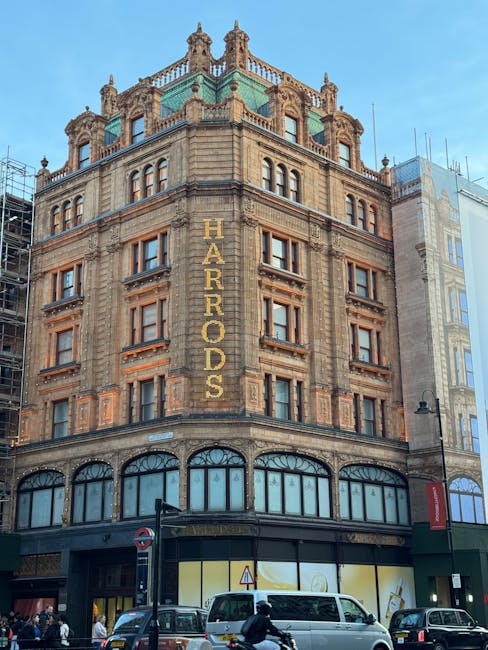
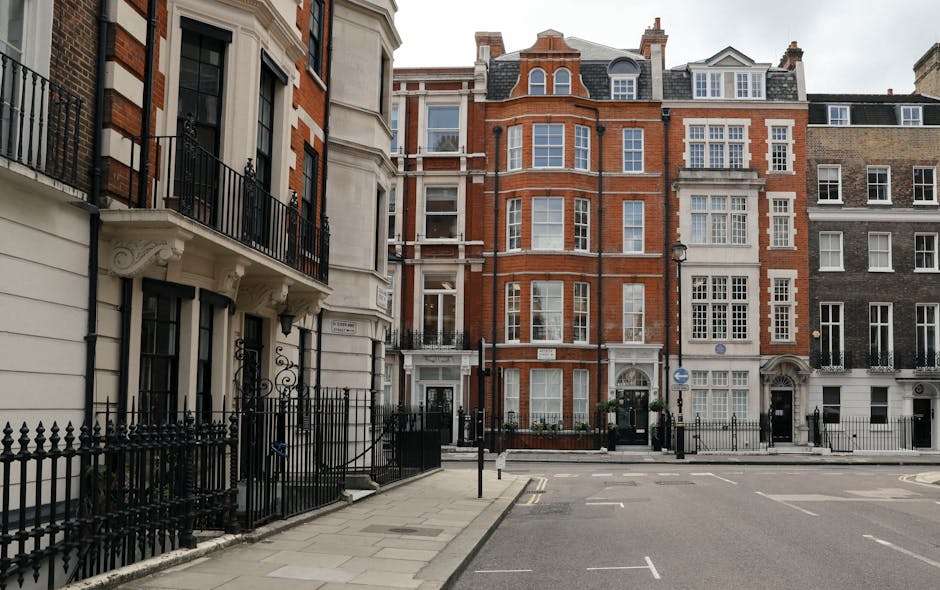
Insider tips for narrow street removals in Knightsbridge terraces
Moving out of a Knightsbridge terrace sounds simple enough on paper. Then you meet the narrow street, the parked cars, the awkward stairwell, the low-hanging branch, and the neighbour who needs to leave at exactly the same time. That is where the real work starts. If you are looking for insider tips for narrow street removals in Knightsbridge terraces, this guide walks through the practical side of doing it properly: how to plan access, reduce delays, protect your belongings, and avoid the sort of moving-day chaos that can turn a tidy schedule into a long afternoon.
Knightsbridge homes often come with beautiful period details, but also tight frontages, delicate interiors, and very little tolerance for guesswork. The good news? A careful approach makes a big difference. A very big difference, actually.
Table of Contents
- Why narrow street removals in Knightsbridge terraces matter
- How the moving process works on tight streets
- Key benefits and practical advantages
- Who this is for and when it makes sense
- Step-by-step guidance
- Expert tips for better results
- Common mistakes to avoid
- Tools, resources and recommendations
- Law, compliance and best practice
- Options, methods or comparison table
- Case study or real-world example
- Practical checklist
- Conclusion
- Frequently asked questions
Why narrow street removals in Knightsbridge terraces matter
Terraced properties in Knightsbridge often sit on streets that were never designed for modern removal lorries, oversized furniture, or a crew juggling boxes and wardrobes at speed. Space is limited. Pavements can be tight. Access routes may be shared with neighbours, delivery vehicles, and people arriving home at the worst possible moment. That combination makes the move more than a basic loading exercise; it becomes a small logistical operation.
Why does that matter so much? Because the risks stack up quickly. If the vehicle is too large, you may block traffic. If the team arrives without a clear plan, you lose time and create stress. If large items are carried without protecting bannisters, floors, and doorframes, small damage can become an expensive regret. In our experience, the people who feel calm on moving day are usually the ones who spent a little extra time thinking about access first.
Knightsbridge also has a certain pace and expectation. Let's face it, nobody wants a removal process that feels noisy, clumsy, or half-baked on a quiet residential street. A considered, well-timed move is better for everyone: you, your neighbours, and the people helping on the day.
How narrow street removals in Knightsbridge terraces works
The process is less about muscle and more about sequencing. A strong move on a narrow street usually starts with a pre-move assessment, then turns into a carefully timed loading plan, and ends with clean handoffs between the house, the vehicle, and the destination.
1. Access is checked before anything else
Before moving day, the team should understand exactly where the vehicle can stop, how far items need to travel, and whether there are any awkward corners, steps, or restricted parking areas. This is especially useful for terrace houses, where the front door may open directly onto a narrow pavement or a short path with little room to turn.
2. The right vehicle is chosen
A smaller van can often be more practical than a larger truck, even if it means a slightly different load plan. On tight streets, manoeuvrability matters more than raw capacity. A vehicle that can position cleanly and legally will usually save time overall.
If you are comparing transport choices, it can help to look at a man with van style service for compact, access-sensitive moves, or a removal van where the load is moderate and the street is unforgiving. Bigger is not always better. Honestly, sometimes bigger just gets in the way.
3. The property is protected
Good removals teams do not just carry boxes. They protect the route. That means floor coverings, corner guards, moving blankets, and careful handling around stair rails and thresholds. Period terraces often have surfaces that scuff easily, so a little protection goes a long way.
4. Items are loaded in the right order
Heavy, sturdy items usually go in first. Fragile or awkward pieces are separated and secured. That order matters more than people think, especially when the route from the front room to the vehicle is tight and every extra trip slows the schedule.
5. Timing is used strategically
Moves on narrow streets are smoother when they avoid school runs, peak delivery windows, and the busiest parts of the day. Early starts can help. So can choosing a moving slot when the street is quieter and neighbours are less likely to be coming and going every five minutes.
Key benefits and practical advantages
The main advantage of planning properly is obvious: fewer delays. But the real value goes further than that.
- Less congestion at the front door - a narrow terrace can become a bottleneck very quickly if boxes are stacked in the hallway.
- Lower risk of damage - smaller access movements reduce scraping, bumps, and avoidable knocks.
- Cleaner coordination - when every stage is mapped out, people know where to stand and what to carry.
- Better neighbour relations - quiet, tidy, well-managed removals are far less disruptive.
- More accurate timing - a realistic plan helps you avoid the classic "we'll just wing it" problem.
There is also a mental benefit that is easy to underestimate. A move feels much less overwhelming when you know the street, the vehicle, and the route are all working with you instead of against you. That calm is worth a lot on a moving day morning, especially when the kettle has not yet made it into the new kitchen.
For a lot of terrace moves, working with experienced removal services means the small details are handled before they become problems. If you need a stronger all-round solution for larger household moves, house removals support may suit you better, particularly where furniture, fragile items, and upper-floor access all need to be managed together.
Who this is for and when it makes sense
This kind of planning is relevant for anyone moving from, into, or between Knightsbridge terraces where access is limited. That includes families, downsizers, renters, homeowners, and people moving valuable or bulky items through a very constrained space.
It is especially useful if:
- the street is too narrow for a large lorry to stop comfortably
- parking is limited or tightly controlled
- the property has multiple floors and narrow staircases
- you are moving high-value furniture, art, or delicate household items
- you need a fast turnaround and cannot afford repeated trips
- you are trying to minimise disruption for neighbours
It also makes sense if you are moving under time pressure. A same-day or short-notice move can still be done neatly, but only if the access plan is realistic. In that scenario, same-day removals may be the right fit, provided the street access and loading conditions are understood from the outset.
Not every move needs a full-scale lorry-and-crew operation. Sometimes a smaller, nimble setup is simply better. That is the kind of judgement that separates a smooth day from a frustrating one.
Step-by-step guidance
Here is the cleanest way to approach a narrow street move in a terrace property. It is not glamorous, but it works.
- Survey the route
Walk the journey from the front room to the vehicle. Check stair turns, bannisters, door widths, pavement pinch points, and where the van can sensibly stop. - Measure the largest items
Wardrobes, sofas, beds, mirrors, and any oversized tables should be measured before moving day. A few centimetres can make the difference between a smooth exit and a stuck-at-the-door episode. - Decide what travels by vehicle and what travels by hand
Some items can be loaded directly. Others may need to be carried by two people or broken down first. Be practical, not optimistic. - Pack by access, not just by room
Keep the items needed first near the exit. Clearly label boxes so nobody wastes time opening every carton to find one cable or charger. - Protect the property
Use covers for floors, tape where needed, and protect corners. Period homes often reward caution. - Load in sequence
Heavy and solid first, fragile and awkward items later, and light boxes stacked where they will not crush anything. - Confirm the finishing point
Before departure, make sure you know where items are going at the other end, and whether there is access clearance there too. The destination matters just as much as the departure.
If you are packing from scratch, the right supplies make all of this easier. A structured approach to packing and boxes helps keep everything stable, legible, and less likely to burst at the wrong moment. And if you want help with the sort of awkward unpacking that usually happens after the tea bags and phone charger have gone missing, packing and unpacking services can save a surprising amount of time.
Expert tips for better results
These are the little things that usually matter most on a tight London street.
Use the street, not against it
It sounds obvious, but many delays happen because the move is planned as though the road were a wide suburban cul-de-sac. It is not. Work with the street geometry. If the loading space is short, stage items closer to the exit in smaller batches. If the pavement is narrow, do not create a pile-up at the threshold.
Keep the route as clear as possible
Hallways fill up fast with bags, hangers, and "just one more" items. That last phrase is where time disappears. Keep the route clear at all times.
Label by priority, not only by room
In a terrace move, access delays often mean you do not want to be searching for basics after you arrive. Mark one box for first-night essentials, one for tools, and one for documents. Very old-fashioned, perhaps. Very effective, definitely.
Use smaller carrying teams for tight staircases
Too many people on a narrow stairwell can make the whole process slower. A focused two-person carry is often better than a crowd. Not everything needs a brigade.
Consider temporary storage if the timing is messy
If keys, completion, or furniture arrival times do not align neatly, using storage can remove pressure. This is especially useful if you are moving out of one terrace and the new place is not quite ready.
Choose the right removal partner
For small to medium terrace moves, a flexible team often works better than a big rigid setup. If you are comparing providers, check whether they have experience with narrow roads, stair carries, and London-style access issues. The best-fit option is usually the one that fits your street, not just your inventory.
In some cases, man with a van or man and van support is ideal because it keeps the operation nimble. For larger or more complex loads, a moving truck may still be appropriate, but only if the access and parking situation genuinely allow it.
Common mistakes to avoid
A lot of moving-day problems come from a few familiar missteps. Nothing dramatic. Just avoidable.
- Assuming a large vehicle will be fine - on a narrow street, it may block access or force extra manual carrying.
- Forgetting to measure large furniture - if a sofa will not clear the stair turn, you need to know that before the clock starts.
- Packing too late - rushed packing leads to heavier boxes, bad labels, and breakages.
- Ignoring neighbour access - keep pathways clear and communicate when needed.
- Not planning for parking restrictions - even a good team loses momentum if the van cannot stop close enough.
- Loading in the wrong order - fragile items under heavy ones is a classic mistake, and a costly one.
- Overestimating what can be done in one pass - sometimes multiple smaller loads are more efficient than one heroic attempt.
One practical example: a family moving from a Knightsbridge terrace with a narrow front hall tried to push all packing until the night before. The result was a pile of loose items, no clear loading order, and a morning that felt longer than it should have. A little earlier organisation would have cut the stress in half. Truth be told, probably more.
Tools, resources and recommendations
You do not need a van full of specialist gear to move well, but a few items help a great deal.
- Furniture blankets for protecting polished surfaces and wooden edges
- Corner protectors for tight hallway and stairwell turns
- Sturdy boxes for stacking securely without collapse
- Labels and markers for room and priority marking
- Ratchet straps or securing aids for keeping load movement to a minimum during transport
- Floor coverings for protecting historic or easily scuffed surfaces
- Basic hand tools for dismantling beds, tables, or shelving
If you are choosing a provider, it is reasonable to ask about their insurance and safety approach, how they handle fragile items, and what happens if access is tighter than expected on the day. It is also worth reviewing their health and safety policy and their pricing and quotes process so you know what is included before you commit.
For customers who want a more complete moving package, removal companies can be compared on experience, flexibility, and local handling knowledge rather than headline promises. That usually tells you more, to be fair.
Law, compliance and best practice
For terrace removals in London, the practical side of compliance is mostly about being considerate, safe, and properly prepared. You may need to think about parking arrangements, local loading rules, property access, and not causing unnecessary obstruction. Exact requirements vary by street and local authority expectations, so it is wise to check what applies to your specific location before moving day.
From a best-practice point of view, a professional move should focus on:
- safe manual handling
- clear communication between crew and customer
- adequate protection of the property and contents
- responsible vehicle positioning
- respect for neighbours and shared access
It is also sensible to understand the provider's terms before the move starts. Reading the terms and conditions can help avoid misunderstandings about waiting time, access issues, and what happens if the move takes longer than planned. On the business and ethics side, you may also want to know that the company's values and working standards are clearly set out, including pages such as the about us and recycling and sustainability information, which can be reassuring when you want a provider that takes the job seriously.
Options, methods or comparison table
Different move types suit different access conditions. The table below gives a simple way to think about it.
| Method | Best for | Strengths | Watch-outs |
|---|---|---|---|
| Man and van | Small to medium terrace moves | Flexible, nimble, easier on tight streets | May need multiple trips if the load is large |
| Removal van | Moderate household moves with limited road access | Practical balance of space and manoeuvrability | Needs careful parking and route planning |
| Moving truck | Larger moves where access allows | Higher capacity in fewer journeys | Can be awkward on very narrow streets |
| Storage plus staged move | Moves with timing gaps or completion delays | Reduces pressure and gives breathing room | Extra coordination required |
For some moves, a smaller service is the smarter choice. For others, capacity matters more. There is no single winner. The right answer depends on the street, the property, and how much furniture you actually have.
Case study or real-world example
Imagine a two-bedroom terrace in Knightsbridge with a narrow front approach, two flights of stairs, and a front room packed with furniture that has to come out before lunch. The street is busy in the morning, and there is very little room to wait outside the property.
A sensible plan would look something like this: the team arrives early, checks the loading position, and starts by removing the largest pieces first while the hallway is kept clear. Fragile items are boxed separately and marked clearly. The van is parked close enough to avoid unnecessary carrying, but not so close that it blocks the road. The route inside the house is protected, and the final boxes are loaded last so they are easiest to access on arrival.
What makes this move successful is not speed alone. It is order. The furniture is out safely, the neighbours are not annoyed, and the schedule holds together. A bit of calm, a bit of discipline, and a bit of street awareness. That is usually the difference.
Practical checklist
Use this checklist in the days before the move. It is simple, but it keeps people honest.
- Measure large furniture and awkward items
- Confirm where the vehicle can legally and safely stop
- Check stair width, bends, and door clearances
- Pack a first-night box with essentials
- Label boxes by room and priority
- Protect floors, corners, and bannisters
- Tell neighbours if access may be temporarily tight
- Decide whether storage is needed for timing gaps
- Review insurance, safety, and terms in advance
- Keep keys, documents, and chargers with you
And yes, keep the kettle accessible. It sounds trivial until 4 p.m. arrives and nobody can find tea.
Conclusion
Narrow street removals in Knightsbridge terraces are rarely about brute force. They are about judgement, timing, and attention to the little details that make a big move feel manageable. If you plan the access properly, choose the right size of vehicle, protect the property, and pack with the street in mind, you give yourself a much smoother day.
The best insider tip is probably this: do not treat the street as an obstacle to be conquered. Treat it as part of the plan. That shift in thinking changes everything, and it is usually what separates a stressful move from a tidy one.
Get a free quote today and see how much you can save.
When the boxes are stacked and the last door is closed, a well-run move has a satisfying quiet to it. That calm feeling is worth aiming for.
Frequently Asked Questions
What is the biggest challenge in narrow street removals for Knightsbridge terraces?
The main challenge is access. Narrow roads, tight pavements, limited parking, and stair-heavy properties can all slow the move if they are not planned properly. A careful route check usually solves most of the headache before it starts.
Is a man and van service enough for a terrace move?
Often, yes, especially for smaller or medium-sized moves. A man and van setup is usually more flexible on tight streets than a larger vehicle, which can be a real advantage in Knightsbridge.
When would I need a moving truck instead?
A moving truck can make sense when the load is large and the street can accommodate it safely. If access is very restricted, though, a smaller vehicle may actually be the better option.
Should I book storage if my moving dates do not line up?
Yes, storage is often a sensible backup when completion dates, keys, or delivery times are uncertain. It keeps the move from becoming a race against the clock.
How far in advance should I plan a move in Knightsbridge?
The earlier the better. Even if the move itself is simple, terrace access, parking, and building layout can create surprises. A bit of lead time helps you avoid rushed decisions.
What should I measure before moving day?
Measure the largest furniture pieces, the front door, staircase turns, and any tight hallways. If a sofa or wardrobe is likely to be awkward, know that before the crew arrives.
How do I protect a period terrace during removals?
Use floor coverings, corner protection, and careful carrying routes. Period properties can be beautiful, but they often mark more easily than modern builds, so a little protection is wise.
Can I move large furniture through a very narrow staircase?
Sometimes, yes, but it depends on the piece and the staircase geometry. Some items may need partial dismantling, a different angle, or two-person handling. Forcing it is usually a bad idea.
What are the most common mistakes people make on narrow street moves?
The biggest ones are booking the wrong vehicle size, packing too late, underestimating large furniture, and forgetting to plan where the van will stop. Those four come up a lot.
How do I choose the right removal service for this kind of move?
Look for local experience, flexible vehicle options, clear quotes, and sensible safety practices. A provider with good removal services experience is usually better equipped to handle terrace access than a generic one-size-fits-all approach.
Will narrow street removals take longer than a standard move?
They can, yes. The actual carrying distance, street access, and parking pressure often slow things down a little. That is normal. A good plan just reduces the delay.
Do I need to tell neighbours before the move?
It is not always essential, but it is often courteous and useful. A short heads-up can prevent awkward moments if you need a short loading window or brief hallway access.
What if I need to move on short notice?
Short-notice moves can still work if access is straightforward and the inventory is manageable. In those cases, same-day removals may help, though it is best to confirm the practical details as early as possible.
Where can I find more information about pricing and safety?
It is sensible to review the provider's pricing and quotes information and their insurance and safety details before booking. That way, you know what is included and what standards to expect.