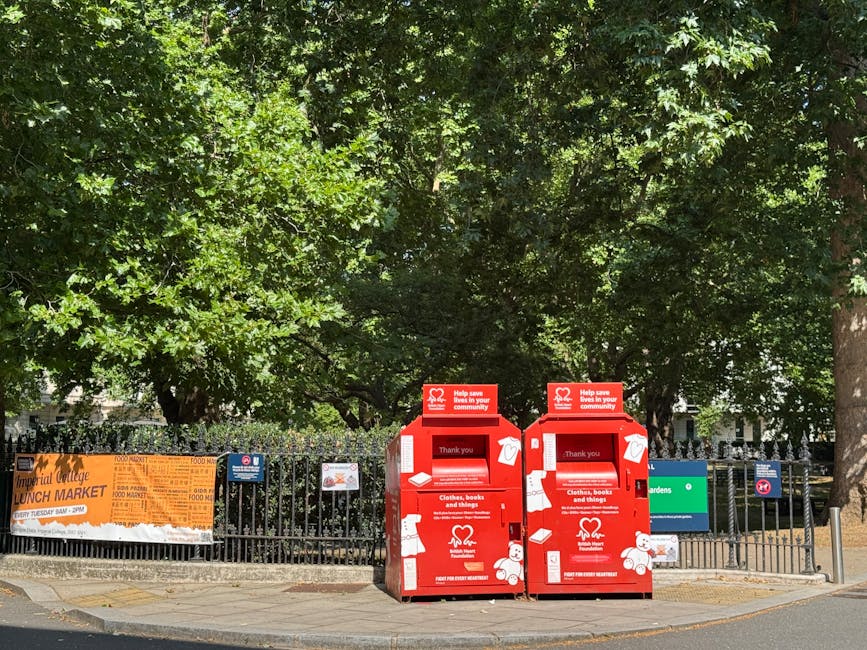
Eco friendly removals Knightsbridge donate reuse and recycle guide
If you are planning a move in Knightsbridge, the boxes are only half the story. The bigger question is what happens to everything you no longer want. That is where an Eco friendly removals Knightsbridge donate reuse and recycle guide becomes genuinely useful. Instead of sending usable furniture, clothes, books, or electronics straight to waste, you can build a move that feels cleaner, calmer, and far less wasteful. Truth be told, most people have more to sort than they expect once the cupboards are open and the loft box comes down.
This guide walks you through how eco-friendly removals work in practice, how to decide what to donate, reuse, or recycle, and how to avoid the common traps that make a move more stressful than it needs to be. It is written for real life in London: tight staircases, limited parking, mixed-value items, and the sort of schedule where everything seems to happen at once.
By the end, you will have a practical plan that saves time, reduces waste, and makes your move feel a little more under control. And honestly, that is worth a lot on moving day.
Why eco friendly removals Knightsbridge donate reuse and recycle guide matters
Knightsbridge is not the kind of place where moving is simple. You often have limited loading space, narrow access points, lift restrictions, building rules, and neighbours who definitely notice a noisy move at 7am. So any removals plan needs to be efficient. But eco-friendly removals add another layer: they help reduce unnecessary waste without making the process messy or sentimental in the wrong way.
At its core, this approach is about asking a few smarter questions before the van arrives. Could that side table be used by someone else? Is the sofa still in good condition? Does that printer need to go to a recycler, or can it be passed on? That pause matters. It means fewer landfill loads, less clutter in your new home, and often less disposal cost overall.
There is also a practical side that people sometimes overlook. When items are sorted early, moving day becomes simpler. The team is not trying to separate donation items from broken items while balancing boxes in a hallway. Everything has a place already. Less chaos. Fewer surprises. Better flow.
Expert summary: eco-friendly removals are not just about being green. They are about making moving day more organised, reducing waste, and giving useful items a second life before they become rubbish.
For local moves in SW1X and surrounding areas, this is especially relevant because property access can be awkward and time windows can be tight. A well-planned donation, reuse and recycling process can remove friction before it starts.
How eco friendly removals Knightsbridge donate reuse and recycle guide works
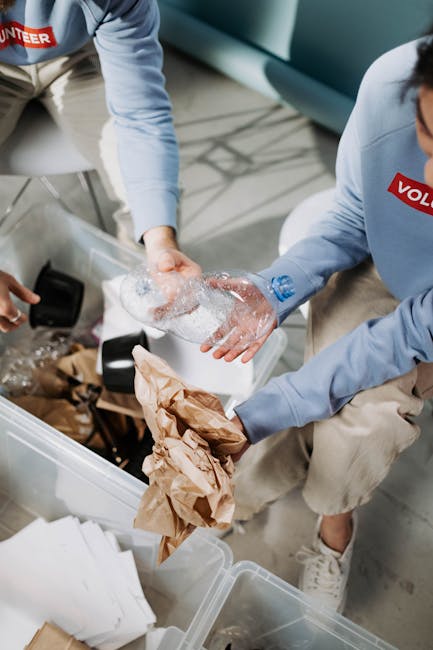
The process is simpler than it sounds, though it does need a bit of discipline. A good eco-friendly removal plan usually follows a three-way sort: donate, reuse, recycle. Anything that does not fit those categories is assessed for responsible disposal. You do not need a complicated system; you need a consistent one.
1. Donate
Donation is for items that are still in usable condition and likely to be wanted by someone else. This might include clean furniture, working appliances, books, kitchenware, toys, and clothing. The key test is straightforward: would you be happy handing it over to a friend? If the answer is yes, donation may be the right route.
2. Reuse
Reuse means keeping items in circulation with minimal intervention. Sometimes this is as simple as moving a shelf unit to a home office instead of throwing it out. Other times, it means repurposing packing materials, using sturdy boxes again, or keeping storage items that still have life left in them. Reuse is often the quickest win because it cuts waste before it starts.
3. Recycle
Recycling is for items that cannot reasonably be donated or reused but can be broken down into recoverable materials. Cardboard, certain plastics, metals, and some electrical items may fall into this category, depending on condition and local recycling arrangements. Be careful here: not everything labelled "recyclable" is actually accepted everywhere, so it is worth checking rather than guessing.
In practice, a removal crew or organiser may help separate the load into distinct streams. That can mean one stack for donations, one for recycling, and one for disposal. A tidy label system on the boxes helps more than people think. A roll of masking tape and a marker pen can save a good ten minutes of confusion later. Maybe more.
For bigger moves, you may also combine this process with other services such as flat removals or furniture removals, especially when you need a team that can handle bulky items without damaging hallways or stairwells.
Key benefits and practical advantages
There is a good reason this approach is becoming more popular. It does more than reduce waste. It changes the feel of the move itself.
- Less clutter: you move only what you actually want or need.
- Faster packing: sorting early means fewer last-minute decisions.
- Lower disposal volume: that can reduce the amount of rubbish you are left managing.
- Better organisation: donation, reuse and recycling categories create a cleaner workflow.
- More responsible outcomes: usable items stay in circulation longer.
- Reduced stress: less rummaging, fewer "what do we do with this?" moments.
There is also a subtle but important emotional benefit. Letting go of items is easier when they are going somewhere useful. You are not simply throwing things away. You are passing them on, repurposing them, or handling them properly. That shift matters, especially if the move itself already feels a bit emotional.
To be fair, most people are surprised by how much better the move feels once they have cleared out the things they no longer need. The room looks lighter. The van feels less chaotic. Even the unpacking tends to improve because you are not unboxing junk you should have dealt with years ago.
Who this is for and when it makes sense
This guide is useful for a wide range of people, but it is especially relevant if you are moving in or out of Knightsbridge and want the process handled with care.
- Homeowners downsizing: ideal when you need to reduce furniture or duplicate household items.
- Flat renters: helpful if you are moving between flats and cannot take everything with you.
- Families: useful for sorting toys, clothes, books, and household goods before a larger move.
- Professionals: handy when moving quickly and needing a simple decision framework.
- Landlords and agents: useful for clearing leftover items responsibly between tenancies.
- Small businesses: especially relevant for office moves, studio clearances, or retail fit-outs.
It makes particular sense when you have bulky furniture, mixed-condition belongings, or limited space for sorting. If you are only moving a few boxes, you may not need a full process. But once wardrobes, chairs, and storage boxes enter the picture, a structured approach becomes very helpful.
Small note from experience: the people who plan this early usually have a calmer moving day. The people who leave it until the night before end up doing a midnight triage on the floor with a cup of tea that has gone cold. Not ideal.
Step-by-step guidance
If you want to make eco-friendly removals genuinely work, follow a simple sequence. You do not need to be perfect. You just need to start early and stay consistent.
Step 1: Walk through the property room by room
Do a proper sweep of the home. Look inside wardrobes, cupboards, drawers, under beds, on top of cabinets, and in the storage areas people always forget about. In Knightsbridge homes, storage can be cleverly hidden, which is charming until you realise it has become a holding zone for things you do not really use.
Step 2: Sort everything into four groups
- Take with you
- Donate
- Reuse
- Recycle or dispose responsibly
This four-part method is easier than trying to decide everything on the spot. Put each item somewhere visible and commit to a decision. If you keep picking things up and putting them back down, the whole job stretches out far too long.
Step 3: Identify donation-ready items early
Check that donated goods are clean, complete, and in working condition where relevant. Missing parts, broken zips, deep stains, or heavy wear usually mean an item is no longer donation-ready. It can still be recycled, repaired, or repurposed, but donation should be reserved for things that are actually useful to someone else.
Step 4: Keep reusable packing materials aside
Boxes, bubble wrap, paper padding, wardrobe covers, and strong tape rolls can often be reused for the move itself or by someone else afterwards. Cardboard boxes that are still solid should not be crushed immediately if they can be passed on.
Step 5: Separate recyclables from general waste
Flatten cardboard. Remove obvious non-recyclable contamination. Group metals, paper-based materials, and designated recycling items separately where possible. Electrical items should usually be treated with more care, especially if they contain batteries, screens, or mixed components.
Step 6: Book the right removal support
Choose a removal provider that can manage bulky items, careful loading, and waste-conscious sorting. If your move includes stairs, limited loading space, or a need for fast turnaround, a service such as man and van or removal services can be a practical fit. For larger or more complex jobs, you might also look at home moves or removals.
Step 7: Confirm the final route for everything
On the last day, each item should already have a destination. Donation, reuse, recycle, or dispose. That is it. No wandering around asking where the old lamp should go while the van is waiting outside and someone is trying to reverse into a tight space. Everyone has been there, or close enough.
Expert tips for better results
The difference between a decent move and a smooth one often comes down to small habits. These are the things that help in real life, especially in a place like Knightsbridge where logistics can feel a bit unforgiving.
Start earlier than you think
Give yourself more time than the bare minimum. Sorting through a home always takes longer than expected because every drawer contains a decision. If you only begin a day before the move, the pressure multiplies.
Use colour-coded labels
It sounds minor, but coloured stickers or marker tags help everyone on the day. For example: green for donate, blue for reuse, yellow for recycle, red for keep. Easy to read. Easy to follow. No one has to guess.
Photograph bigger items
If you are donating or selling furniture, quick photos help you decide what is worth keeping in circulation. They also make it easier to remember what belongs where if the move is split over a few days.
Keep sentimental items out of the main sort
Family albums, letters, keepsakes, and personal documents deserve a separate box. They are not part of the quick sorting process. If you mix them into the general clear-out, the job slows down immediately.
Check whether items are truly recyclable
Do not assume. Mixed-material products, broken electronics, and heavily contaminated packaging may not be accepted in standard recycling streams. Better to verify than to fill the recycling pile with things that cannot be processed properly.
Think about access, not just volume
A small pile of awkward items can be harder to move than a larger pile of neatly packed boxes. In London homes, access often matters more than the amount of stuff. If a wardrobe has to be turned sideways down a narrow landing, you want that planned in advance.
One more thing: if you have an item that feels "probably useful" but you have not used it in two years, ask yourself whether it really belongs in your next home. Brutal, maybe. Helpful, definitely.
Common mistakes to avoid
Even well-organised movers slip into the same avoidable habits. These mistakes cost time, energy, and sometimes money.
- Leaving sorting until the final day: this creates panic decisions and more waste.
- Mixing donation and rubbish: once bags are mixed, usable items often end up discarded.
- Assuming broken items can be donated: charities and reuse routes usually need items to be in usable condition.
- Ignoring bulky waste early: sofas, beds, desks, and wardrobes need a clear plan.
- Forgetting about confidential paperwork: important documents should be handled securely.
- Overfilling boxes with "maybe" items: indecision becomes clutter very quickly.
- Not checking access or parking: this is a classic Knightsbridge headache and can slow everything down.
The biggest mistake, though, is trying to make the move and the declutter happen at the exact same moment without a system. You can do it, yes. But it tends to feel like juggling in the rain.
Tools, resources and recommendations
You do not need much equipment, but the right basics make the whole process smoother.
- Marker pens: for labelling boxes and bags clearly.
- Colour stickers or tape: useful for quick sorting.
- Strong cardboard boxes: reusable and easier to stack safely.
- Bag ties or reusable straps: helpful for keeping donations together.
- Blankets and covers: reduce damage during transport and help keep furniture in use for longer.
- Basic packing materials: reused where possible, rather than bought twice.
If you are moving a mix of items, it can help to combine packing and unpacking services with a removal plan that includes donation and recycling decisions. That way, the team is not just moving boxes. They are helping the whole process stay orderly.
For anyone dealing with a business move, storage overflow, or a staged clear-out, storage can be a useful bridge between "not ready to let go" and "definitely moving on." Sometimes that breathing space is exactly what you need.
It may also help to review the company's broader environmental and operational approach through recycling and sustainability, especially if you want confidence that the move is being handled with some care and not just speed.
Law, compliance, standards and best practice
Any move involving unwanted items should be handled responsibly. While this article is not legal advice, a few common-sense UK practices are worth keeping in mind.
First, do not place rubbish, bulky items, or mixed waste in a way that creates hazards in communal areas, pavements, or shared entrances. In Knightsbridge, buildings are often closely managed, and access rules can be strict. You may also need to respect building management instructions about lift protection, loading times, and corridor use.
Second, electrical items should be treated carefully. If an item contains batteries, screens, cables, or internal components, it should not be casually mixed with general waste. The safer approach is to treat it separately and ask how it should be processed.
Third, if you are using a removal company, it is wise to check that it operates with proper care around safety, insurance, and handling standards. You can review practical operational details through insurance and safety and health and safety policy. These pages are not just paperwork; they help show how the job is expected to be carried out.
Finally, if you have questions about pricing, scope, or what is included, it is better to clarify early than assume. A clear quote avoids confusion later, especially for moves involving donation sorting or extra stops. The straightforward route is always better than the heroic last-minute one.
Options, methods or comparison table
Here is a simple comparison of the most common ways to deal with unwanted items during an eco-conscious move.
| Option | Best for | Pros | Watch out for |
|---|---|---|---|
| Donate | Usable furniture, clothing, books, homeware | Reduces waste, helps others, often simple to organise | Items must usually be clean, complete, and in usable condition |
| Reuse | Items you can keep, repurpose, or pass through the move | Fast, low waste, often cheapest option | Easy to keep too much if you are not decisive |
| Recycle | Cardboard, some metals, certain electronics and packaging | Good for materials that no longer have direct use | Not all mixed materials are accepted; contamination can be an issue |
| Dispose responsibly | Items that are broken, contaminated, or unsuitable for the other routes | Necessary for items with no practical second life | Should be the last option, not the default |
If you are moving a high-value home or a busy flat with awkward access, a more structured removal approach may make sense than a simple ad-hoc van hire. In some cases, removal companies and removal van options are worth comparing against speed, handling support, and the amount of sorting you need.
Case study or real-world example
Picture a typical Knightsbridge flat move. The property has built-in storage, a few good pieces of furniture, and a surprising number of items that were bought "temporarily" and then stayed for years. There is a decent sofa, a side table, three boxes of books, a printer that still works, two lamps, some kitchenware, and a stack of packaging from previous deliveries.
Rather than loading everything blindly, the household sorts items over two evenings. The sofa and table are marked for reuse because they are in good condition. The books are boxed for donation. The cardboard and paper packaging are flattened and bundled for recycling. The printer is checked and separated from general waste because it still has life in it, while old cables are set aside for responsible disposal.
On moving day, the team only has to deal with clearly labelled items. The loading is quicker, the hallway stays clear, and there is less pressure to make judgement calls with everyone standing around the door. The move still takes effort, of course. But it feels controlled, which is a huge difference.
That is the quiet benefit of an eco-friendly plan. It rarely feels dramatic in the moment. It just removes friction. And moving, as anyone who has done it, is basically friction with boxes.
Practical checklist
Use this checklist a few days before moving:
- Walk through every room and storage area.
- Separate items into keep, donate, reuse, recycle, and dispose.
- Check donation-ready items for cleanliness and working order.
- Flatten cardboard and keep reusable packing materials aside.
- Identify bulky items that need extra handling.
- Set aside electronics and items with batteries.
- Label boxes clearly and consistently.
- Confirm access, loading arrangements, and timing.
- Review insurance and safety details if you are using a removal team.
- Make sure important documents and sentimental items are packed separately.
Practical reminder: if a box is labelled "miscellaneous," you have probably not finished sorting it. That little trick never fools anyone.
Conclusion
An eco-friendly move in Knightsbridge is really about making better decisions before things get rushed. When you donate what can be used again, reuse what still has value, and recycle responsibly where needed, the whole process becomes more efficient and less wasteful. You also give yourself a cleaner start in the new place, which matters more than people admit at first.
The best results usually come from simple habits: sort early, label clearly, keep donation and recycling separate, and choose moving support that understands both access and care. No grand system required. Just a sensible one, followed consistently.
If you are planning a move soon, take the time to sort with purpose. It will save you hassle later, and it will make the move feel lighter in ways that are easy to notice once the boxes are gone.
Get a free quote today and see how much you can save.
Frequently Asked Questions
What does an eco friendly removals Knightsbridge donate reuse and recycle guide actually include?
It includes practical steps for sorting items before a move, deciding what should be donated, reused, recycled, or responsibly disposed of, and organising the removal so less waste ends up in general rubbish.
Can I donate furniture during a move in Knightsbridge?
Yes, if the furniture is clean, complete, and in usable condition. Donation routes usually expect items to be presentable and functional, so broken or badly worn pieces are better treated as recycling or disposal items.
What items are best to reuse instead of throwing away?
Strong boxes, wardrobe covers, packing paper, storage baskets, shelving, and furniture that still suits your new space are all good reuse candidates. If you can keep an item in circulation without much extra work, that is usually the best option.
How do I know if something should be recycled or donated?
Ask two questions: is it usable, and would someone else genuinely want it? If the answer to both is yes, donation may be possible. If it is damaged, worn out, or incomplete, recycling may be more appropriate.
Do eco friendly removals take longer than normal removals?
They can take a little more planning before the move, but the actual moving day often runs more smoothly. Once everything is sorted and labelled, the team spends less time making decisions on the spot.
Are there extra costs for donation or recycling handling?
Sometimes there can be additional time or service considerations if items need sorting, loading separately, or transported in a different way. The exact cost depends on the amount and type of items, so it is sensible to ask for a clear quote in advance.
What should I do with broken electronics?
Broken electronics should be handled separately from general rubbish because they may contain batteries, wiring, or components that need special treatment. Do not simply mix them in with cardboard or household waste.
Is this approach useful for office or commercial moves too?
Yes, very much so. Office moves often create large amounts of redundant equipment, filing, furniture, and packaging. A donate, reuse and recycle plan can reduce waste and make the move more orderly.
What if I do not have time to sort everything myself?
Then focus on the highest-impact decisions first: bulky furniture, clear donation items, and obvious recycling. If time is tight, a removal team can still help you move efficiently, but the more you sort beforehand, the smoother it will be.
How far in advance should I start preparing?
Ideally, start a few days to a couple of weeks before the move, depending on the size of the property. The more items you have, the earlier you should begin. It sounds obvious, but it saves a lot of stress.
What is the biggest mistake people make with eco friendly removals?
The biggest mistake is leaving everything until the last minute and then treating donation, reuse, and recycling as afterthoughts. Once the van arrives, decision-making gets rushed, and good items are far more likely to be thrown away.
Can I combine eco friendly sorting with professional removal services?
Yes. In fact, that is often the easiest route. Professional support can help with lifting, transport, and access, while you focus on sorting items into the right categories before moving day.
If you want a calmer move and a cleaner result, start with the items already in your home. A little sorting now makes a big difference later.